 Call 954-228-3567
Home water damage checklist
Once it’s safe to enter, photograph the affected rooms, note when the leak or flooding began, and list what got wet. Have those details handy when you ask about drying or removing damaged drywall and flooring.
What to have ready
Note where the water came from
Write down when you first saw water, whether it is still coming in, and the likely source. For a condo leak, notify building management and ask whether another unit or a common area was also affected.
Record the damage room by room
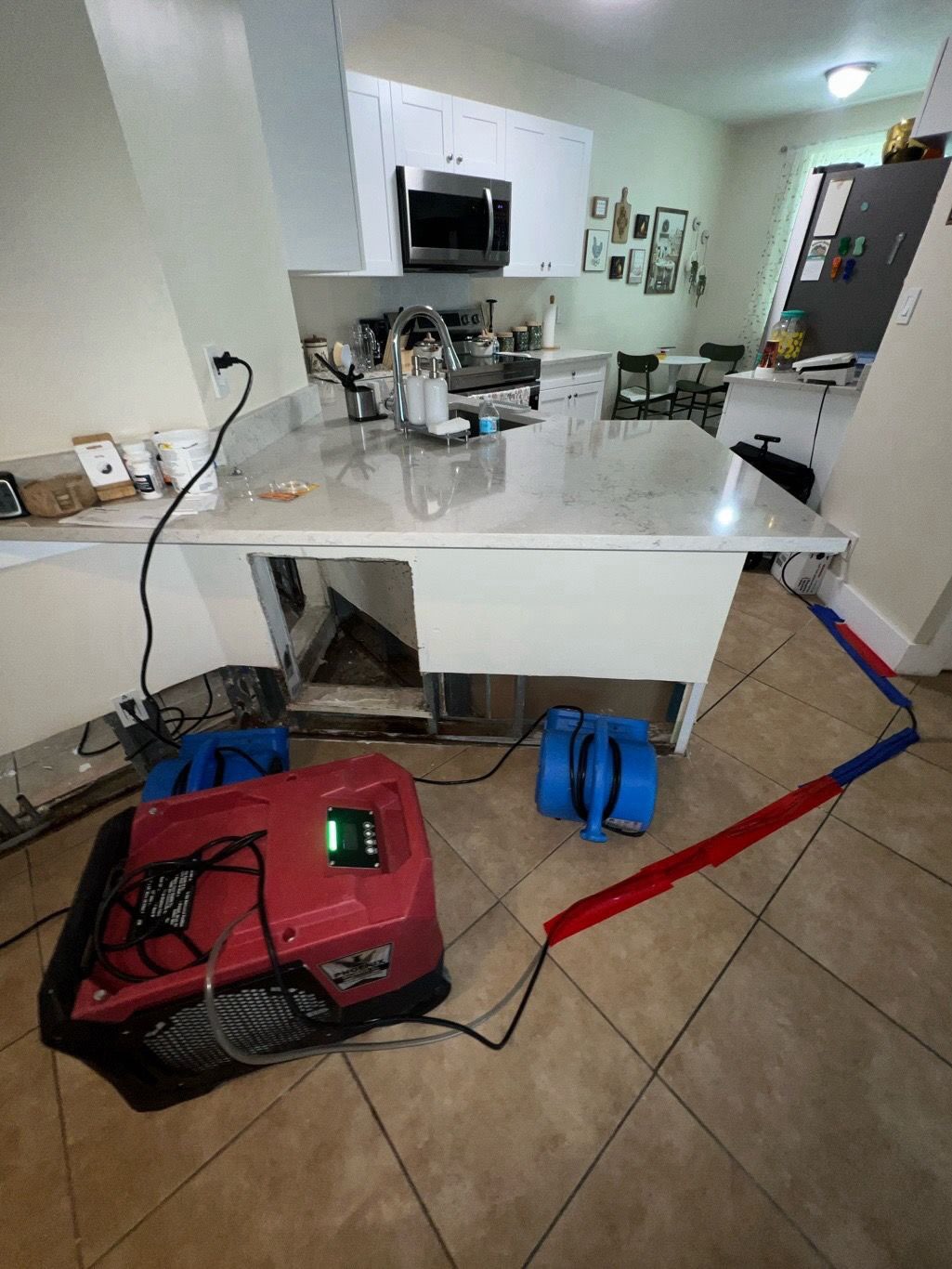
Once it is safe to enter, take a wide photo of each affected room and closer photos of damaged materials. Note water lines on walls, swelling along baseboards, lifted flooring, and where stains or musty odors appeared.
Keep photos, dates, and receipts together
Save any messages from your property manager, photos from before material was removed, and receipts for work already done. If you are filing an insurance claim, check with your insurer about what they need.
Ask what the quote includes
Ask the contractor which materials they plan to remove, whether removal includes trim and underlayment, how debris will be handled, and which repairs would be quoted separately.
Questions after a leak or flood
What should I do if water enters my home?
Keep clear of wet electrical equipment and follow local guidance on when you can safely reenter. Once it’s safe, note where the water came from, when it started, and which rooms it reached.
What do water damage restoration steps include?
The work depends on where the water came from and what got wet. Ask the contractor to explain how they’ll assess moisture, which materials can be dried, which may need removal, and what repairs are included.
What if my walls still smell musty?
Tell the provider which rooms smell musty, when the smell began, and whether you’ve seen damp spots or stains return. These details can help them decide what to check during a visit.
For more on safety and cleanup, see EPA’s flood cleanup guidance.